


Choosing the right motherboard is crucial for building a powerful and efficient computer. Compatibility plays a vital role in ensuring that all components work seamlessly together. With various brands and specifications available, understanding how to match a motherboard with CPUs, RAM, and other peripherals can be overwhelming.
Navigating the complexities of motherboard compatibility can make or break a build. From socket types to chipset features, each element affects performance and functionality. This guide will explore the key factors that determine compatibility, helping tech enthusiasts and beginners alike make informed decisions for their next build.
Understanding Motherboard Compatibility
Motherboard compatibility plays a crucial role in building an effective computer system. Ensuring all components work seamlessly enhances performance and stability.
What Is Motherboard Compatibility?
Motherboard compatibility refers to the ability of various computer components to function together within a system. This compatibility involves multiple aspects, including CPU socket types, RAM types and speeds, and supported expansion slots. For instance, an Intel CPU requires an appropriate LGA socket, while AMD CPUs fit into AM4 or other designated sockets. Additionally, motherboards support specific RAM types like DDR4 or DDR5, impacting memory performance. Knowing these specifications helps users select compatible components efficiently.
Why Is It Important?
Motherboard compatibility directly affects system performance, stability, and upgrade potential. Incompatibilities can lead to system failures, poor performance, or non-functioning hardware. For example, using incompatible RAM may result in boot issues. Furthermore, compatibility influences future upgrades; selecting a motherboard that supports newer technologies extends the system’s lifespan. A compatible setup ensures optimal communication between components, enhancing overall user experience and efficiency.
Factors Affecting Motherboard Compatibility
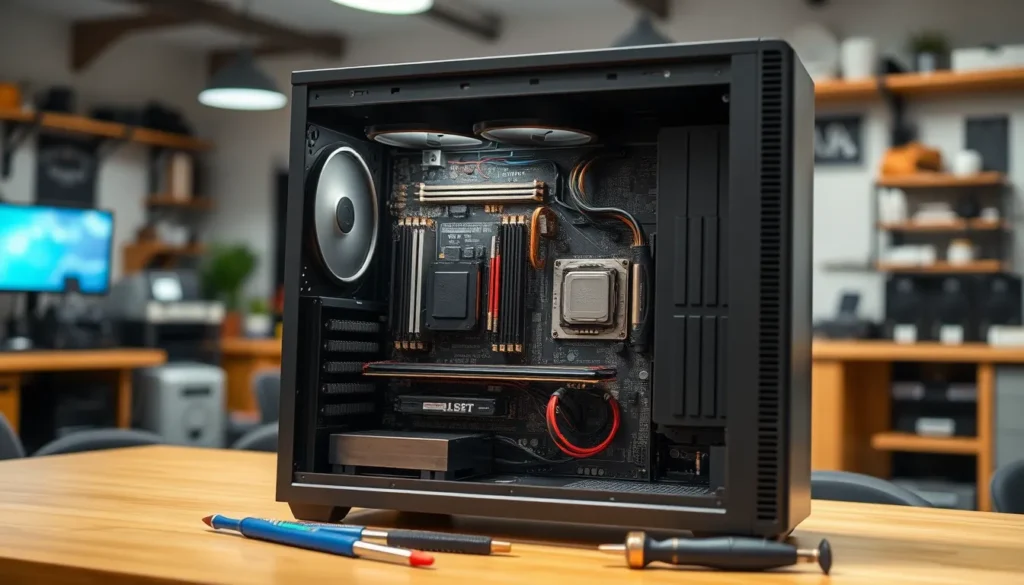
Various elements influence motherboard compatibility, crucial for a successful computer build. Ensuring that components match specifications maximizes performance and system stability.
CPU Compatibility
CPU compatibility hinges on socket type and chipset support. Each CPU model requires a specific socket type, such as LGA 1200 or AM4. Motherboards must have the corresponding socket type to accommodate the processor. Chipset features also dictate CPU compatibility, as they manage communication between the CPU and other components. Checking the motherboard’s supported CPU list before a purchase confirms compatibility.
RAM Compatibility
RAM compatibility is determined by type, speed, and maximum capacity supported by the motherboard. Common RAM types include DDR4 and DDR5, with motherboards typically supporting one specific type. Furthermore, each motherboard specifies a range of supported speeds, impacting performance. Maximum capacity varies based on design; most consumer motherboards support 32 GB to 128 GB of RAM. Consult the motherboard specifications to identify compatible RAM configurations before selecting memory modules.
GPU Compatibility
GPU compatibility revolves around the motherboard’s expansion slots and power supply capabilities. Most contemporary graphics cards use PCIe x16 slots, which most motherboards include. Availability of enough space in the case also plays a role, as larger GPUs may not fit in compact systems. Additionally, power requirements for GPUs must align with the power supply’s output, ensuring reliable operation.
Power Supply Compatibility
Power supply compatibility is essential for providing sufficient power to all components. Each motherboard features a specific power connector, such as ATX or EPS. It’s crucial to ensure the power supply has the appropriate connectors and can deliver ample wattage for all components. A wattage calculation, factoring in the CPU, GPU, and additional peripherals, ensures reliable and stable performance during operation.
How to Check Motherboard Compatibility
Checking motherboard compatibility ensures all components work harmoniously, optimizing computer performance. Several methods exist for verifying compatibility among CPUs, RAM, and other hardware.
Manufacturer Resources
Manufacturers provide essential compatibility information through official websites. Users can locate CPU support lists, RAM compatibility charts, and expansion slot specifications. Relevant product manuals often detail compatible components. Researching these resources aids in confirming component compatibility and avoiding potential issues during assembly.
Online Compatibility Checkers
Various online tools simplify compatibility checks by automating the verification process. Users input their intended components, such as CPUs and motherboards, and the software generates compatibility reports. Popular websites feature compatibility checkers, allowing for quick evaluations. Utilizing these tools enhances decision-making, offering insights into potential compatibility conflicts before purchasing components.
Common Compatibility Issues
Motherboard compatibility issues often arise from outdated BIOS versions and form factor limitations. Addressing these concerns ensures a smoother build process and optimal performance.
Outdated BIOS
Outdated BIOS can significantly hinder component compatibility. Newer CPUs or RAM modules may require the latest BIOS updates for proper recognition and functionality. Manufacturers frequently release updates to support additional hardware or improve system stability. Failing to update the BIOS may result in malfunctioning components or system instability. Users can typically find BIOS updates on the motherboard manufacturer’s website, along with installation instructions. Regularly checking for BIOS updates is crucial, especially when upgrading to newer hardware.
Form Factor Limitations
Form factor limitations affect component compatibility based on size and layout requirements. Common motherboard sizes include ATX, Micro-ATX, and Mini-ITX. Each size has specific dimensions and mounting points that define compatibility with computer cases and other components. Ensuring that the chosen motherboard form factor matches the case size prevents installation issues. Furthermore, expansion slot availability may be restricted by the form factor, limiting the number of additional components that can be installed, such as GPUs or sound cards. Choosing the right form factor contributes to optimal airflow and efficient use of space within the build.
Choosing the right motherboard is crucial for building a high-performing computer. Compatibility among components directly impacts system stability and functionality. By understanding the key factors that influence compatibility, users can make informed decisions that enhance their overall experience.
Utilizing manufacturer resources and online tools can simplify the process of checking compatibility. Staying updated on BIOS versions and ensuring the correct form factor will further prevent potential issues. With careful consideration and research, anyone can create a seamless and efficient computer build that meets their needs.

