
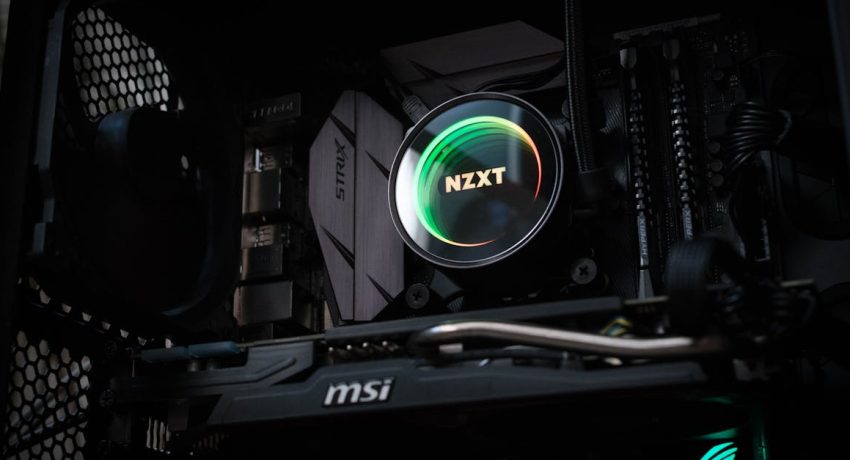

In the world of gaming and high-performance computing, overclocking hardware is like giving your system a double shot of espresso. It’s that exhilarating boost that transforms a standard setup into a powerhouse, ready to tackle the most demanding tasks. Why settle for average when you can unleash your hardware’s hidden potential?
Table of Contents
ToggleUnderstanding Overclocking Hardware
Overclocking hardware entails increasing the clock speed of computer components like CPUs and GPUs beyond their factory settings. This practice enhances performance, enabling systems to manage demanding applications more efficiently.
What Is Overclocking?
Overclocking refers to the process of running a component at a speed beyond its rated specifications. It typically involves adjusting the settings in the system’s BIOS or using software utilities. Many gamers and professionals seek overclocking to maximize their hardware’s capability. Generally, users monitor temperatures and system stability to ensure safe operation during this process. Improved performance with minimal investment often attracts users to overclocking.
Benefits of Overclocking
Overclocking offers several advantages. Increased performance leads to smoother gameplay and faster rendering times, making tasks more efficient. Users experienced in overclocking can see significant improvements in frame rates for 3D applications and games. Upgraded performance can also extend the lifespan of a system by improving its responsiveness under load. Many users find it appealing to customize their hardware settings to suit personal needs. Enhanced performance characteristics often outperform higher-priced components, giving overclockers better value for their investment.
Essential Components for Overclocking
Overclocking hardware requires specific components that can handle increased performance levels and heat generation. Users must carefully select these components to ensure optimal results.
Processors
Processors serve as the core of a computer’s performance. High-performance CPUs often feature unlocked multipliers, allowing for easier overclocking. Effective cooling solutions, such as liquid cooling systems or high-performance air coolers, enhance stability during operation. Monitoring software, like Core Temp or MSI Afterburner, provides real-time performance and temperature information. Users rely on these tools to adjust voltages and clock speeds safely. Target CPUs from brands like Intel and AMD often yield significant gains when overclocked correctly, making them ideal choices for enthusiasts.
Graphics Cards
Graphics cards play a crucial role in gaming and high-performance tasks. Similar to processors, GPUs designed for overclocking come with unlocked settings, allowing users to increase clock speeds. Enhanced cooling solutions, including aftermarket coolers and Arctic paste, help manage heat efficiently. Many users prefer GPUs from NVIDIA or AMD, which often support software utilities for easy adjustments. Real-time monitoring of temperatures and performance through tools like MSI Afterburner ensures safe operation during intense gaming sessions. Properly overclocked graphics cards can significantly improve frame rates and overall gaming experience.
Motherboards
Motherboards are essential for supporting overclocking endeavors. Quality motherboards with robust power delivery systems provide stability for overclocked CPUs and GPUs. Look for features like additional power phases, larger heatsinks, and quality capacitors to support increased demands. BIOS interfaces allow users to change settings like voltages and clock multipliers easily. Certain brands, such as ASUS or MSI, offer motherboards tailored for enthusiasts, featuring advanced overclocking options. Proper compatibility between the motherboard and other components ensures optimal performance when undertaking overclocking tasks.
Risks and Precautions
Overclocking offers enhanced performance, but it involves certain risks and precautions. Understanding these aspects is key for a successful experience.
Heat Management
Heat management plays a vital role in overclocking. Increased clock speeds generate more heat, which can damage components if not controlled. Users must invest in high-quality cooling solutions, such as aftermarket air or liquid coolers. Monitoring temperatures regularly ensures that components operate within safe limits. Alternative cooling methods include thermal paste applications and optimized airflow in cases. Optimal heat management prevents thermal throttling, allowing sustained performance during intensive tasks.
Stability Testing
Stability testing verifies that an overclocked system functions reliably. Running benchmarks and stress tests highlights any potential instabilities. Users often utilize software like Prime95 or AIDA64 for comprehensive testing. Stress testing should last several hours to reveal issues, including crashes or freezes. Gradual increases in clock speed allow for adjustments based on test results. Stability guarantees that performance improvements occur without compromising system reliability.
Popular Overclocking Techniques
Overclocking techniques can significantly enhance hardware performance. Users commonly utilize two main approaches: BIOS tweaking and software overclocking.
BIOS Tweaking
BIOS tweaking involves accessing the system firmware to adjust clock multipliers and voltage settings directly. This method typically offers more control over performance parameters compared to software tools. Users can increase the CPU’s base clock speed, improving overall responsiveness. Voltage adjustments enhance stability but must be approached cautiously to prevent overheating. Effective cooling solutions remain essential, ensuring that temperature levels stay within safe limits. Many motherboards provide built-in presets for users aiming for a more accessible overclocking experience, helping streamline the process while maintaining system integrity.
Software Overclocking
Software overclocking utilizes applications to modify clock speeds and settings within the operating system. This technique allows for real-time adjustments without needing to reboot the system. Popular applications include MSI Afterburner for GPUs and Intel XTU for CPUs, which provide user-friendly interfaces for novice and expert users. Users can fine-tune performance on the fly, adjusting settings based on workload demands. Monitoring tools often accompany these applications, displaying temperature and performance metrics crucial for maintaining system reliability during overclocking sessions. These software tools offer flexibility and convenience, making them a popular choice for those seeking enhanced performance with minimal downtime.
Conclusion
Overclocking hardware can transform a standard system into a powerhouse capable of handling demanding tasks with ease. By unlocking the full potential of CPUs and GPUs users can experience smoother gameplay and faster rendering times.
With the right knowledge and tools users can safely navigate the overclocking process while managing heat and stability. Whether opting for BIOS tweaks or software applications enthusiasts have the opportunity to customize their systems for maximum performance.
Ultimately overclocking not only enhances user experience but also provides a cost-effective solution for those looking to get more from their existing hardware.

