
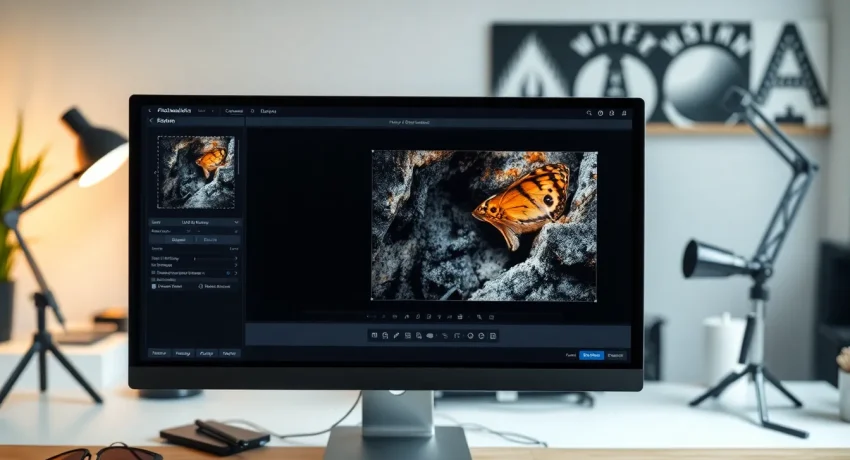

In a world where pixelation can ruin the most breathtaking visuals, AI image upscaling swoops in like a superhero with a high-definition cape. Imagine turning your blurry vacation photos into stunning masterpieces that would make even the Mona Lisa raise an eyebrow. With the magic of artificial intelligence, what once looked like a potato can now shine like a diamond.
Overview of AI Image Upscaling
AI image upscaling refers to techniques that enhance image quality by increasing resolution. This technology utilizes machine learning algorithms to analyze and reconstruct images, resulting in clear, detailed visuals from previously low-resolution pictures. Enhancements often involve filling in missing details and improving sharpness.
Current methods employ deep learning models, such as convolutional neural networks, to deliver superior results. These networks examine pixel data from a range of images, finding patterns that inform how to upscale new images effectively. Image quality improves significantly, allowing images originally taken in low light or with poor focus to become sharp and vibrant.
Various applications showcase the power of AI image upscaling. Photographers utilize it to improve portrait clarity, while e-commerce platforms apply it to enhance product imagery. Social media users also benefit, as this technology can restore and enhance old images from personal albums. The results often resemble studio-quality photos, even when the original was captured with a basic camera.
Numerous software solutions offer AI image upscaling, catering to both professionals and hobbyists. Tools like Topaz Gigapixel AI and Adobe Photoshop make this technology accessible to a wider audience. Each solution varies in features, but common functionalities include batch processing and one-click enhancements.
Data supports the effectiveness of AI image upscaling. Studies show these techniques can increase image resolution up to 600 percent with minimal loss of quality. Furthermore, subjects in upscaled images often appear more lifelike, making this technology an essential tool in visual content creation. This advancement continues to evolve, further enhancing the potential of digital imagery.
How AI Image Upscaling Works
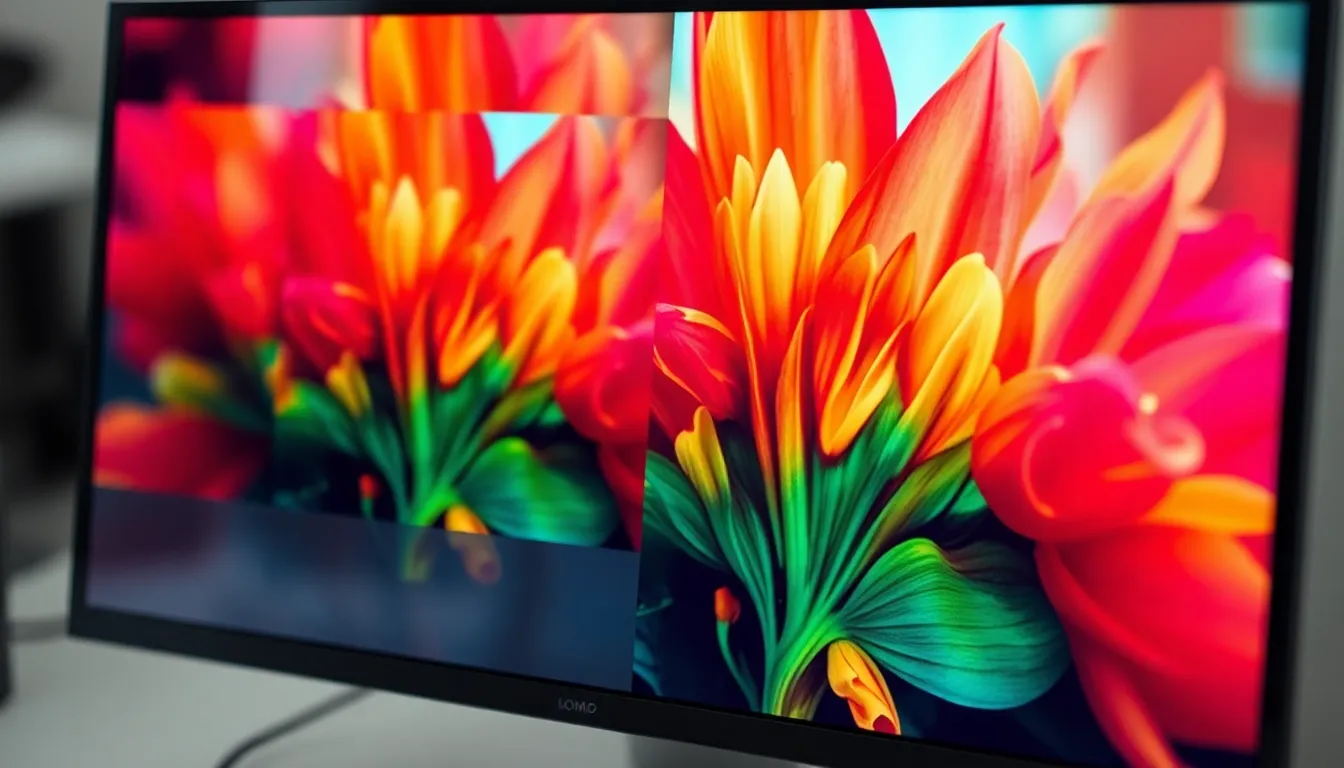
AI image upscaling relies on advanced technology to enhance image quality and resolution. This process integrates sophisticated algorithms that utilize machine learning techniques.
Neural Networks and Deep Learning
Neural networks serve as the backbone of AI image upscaling. They mimic the human brain’s neural structure, enabling systems to recognize patterns and details in images. Deep learning enhances this process by using multiple layers of algorithms to improve accuracy. Models such as convolutional neural networks excel at interpreting pixel data, making it possible to reconstruct images from low-quality sources. Researchers have found that these networks can learn from vast datasets to produce striking, high-resolution results. As a result, the clarity in enlarged images significantly surpasses traditional upscaling methods.
Upscaling Algorithms
Various upscaling algorithms implement unique techniques that contribute to image improvement. Techniques like bicubic interpolation provide basic scaling but fall short on quality. In contrast, AI-driven algorithms analyze spatial relationships between pixels for more precise enhancements. Super-resolution technology represents a powerful method that leverages trained models to predict and generate high-resolution frames. The effectiveness is notable: these algorithms can increase image resolution by up to 600 percent while maintaining integrity. Hence, adopting these techniques transforms blurred and pixelated visuals into sharp, vibrant outputs.
Benefits of AI Image Upscaling
AI image upscaling presents significant advantages that enhance both quality and efficiency in visual content creation.
Improved Image Quality
Enhanced clarity defines improved image quality. AI algorithms meticulously analyze and reconstruct images, leading to sharper details and vibrant colors. Low-resolution images undergo dramatic transformations as they convert into high-definition visuals, instilling a sense of depth and realism. By utilizing advanced techniques like super-resolution, AI-driven methods refine pixel structures, allowing previously blurry images to become crisp. Photographers particularly appreciate this benefit, as it elevates their portraits and landscapes to a professional level. Users experience substantial improvements, resulting in visuals that exceed previous quality benchmarks.
Faster Processing Time
Faster processing time emerges as another key benefit of AI image upscaling. Advanced algorithms streamline the enhancement process, significantly reducing wait times. Batch processing capabilities enable users to upscale multiple images simultaneously with minimal input. Software solutions like Topaz Gigapixel AI demonstrate remarkable efficiency, completing tasks quickly without sacrificing quality. Decision-makers benefit from executing tasks efficiently, which allows for a swift turnaround in digital projects. Despite processing large files, users notice impressive speed, optimizing workflow and resource allocation.
Applications of AI Image Upscaling
AI image upscaling finds use across various fields, enhancing visual content quality and user experience.
Photography and Videography
Photographers benefit significantly from AI image upscaling. It enhances low-resolution images, improving detail and clarity for printed photographs or online portfolios. Portraits achieve sharpness and vibrant colors, elevating their overall aesthetic appeal. Additionally, videographers can upscale frame quality in videos, providing a more immersive viewing experience. This technology effectively restores old footage, transforming it into high-definition visuals that resonate with modern audiences. Even casual photographers utilize applications to enhance personal images, capturing memories with unprecedented clarity.
Gaming and Virtual Reality
AI image upscaling plays a transformative role in gaming and virtual reality. Gamers experience enhanced graphics through increased pixel resolution, resulting in visually stunning environments. Characters and landscapes become more defined, contributing to a more engaging gaming experience. In virtual reality, the heightened image quality adds depth and realism, heightening immersion. Game developers frequently apply these techniques to older titles, making them visually competitive against newer releases. Various tools allow for real-time image enhancement, ensuring gamers enjoy seamless gameplay with impressive visuals.
Challenges and Limitations
AI image upscaling, despite its advancements, faces several challenges and limitations.
Data Dependency
Data dependency plays a crucial role in AI image upscaling effectiveness. Quality results rely heavily on the training data used in the machine learning models. If the model is trained on limited or low-quality datasets, the outcomes may suffer. Diverse and extensive dataset exposure enables the algorithms to learn various patterns and details. Some software solutions might utilize data from specific sources, limiting versatility across other image types. Accurate recognition of features in images often hinges on this data, impacting the overall enhancement quality.
Quality vs. Performance Trade-offs
Quality versus performance trade-offs presents another challenge in AI image upscaling. While high-resolution outputs are desirable, processing speed remains a concern. Complex algorithms can enhance images significantly but may require more computational resources and time. Users often face the dilemma of sacrificing image quality for faster processing times. Balancing these aspects is vital, as some applications prioritize speed over detail retention, resulting in less satisfactory enhancements. Effective software must strike a balance, ensuring users achieve high-quality images without enduring excessive wait times.
Conclusion
AI image upscaling is reshaping how visuals are created and experienced. By transforming low-quality images into stunning high-definition visuals, it offers both professionals and hobbyists an invaluable tool for enhancing their work. The technology’s ability to analyze and reconstruct images using advanced algorithms ensures that even the most challenging photos can be revitalized.
As applications continue to expand across photography videography and gaming, the impact of AI image upscaling is undeniable. Despite some challenges like data dependency and the balance between quality and performance, the benefits far outweigh the drawbacks. Embracing this innovative technology is essential for anyone looking to elevate their visual content and create captivating imagery that stands out.

