


In a world where technology reigns supreme, it’s hard to believe that some folks are still stuck in the financial Stone Age. Enter fintech rural outreach—a superhero in disguise, ready to rescue rural communities from the clutches of outdated banking practices. Imagine a farmer checking his account balance while milking a cow or a small-town entrepreneur securing a loan with just a few taps on their smartphone.
Overview of Fintech Rural Outreach
Fintech rural outreach significantly modernizes banking for rural communities. This shift enables people to access financial services that were previously unavailable. Farmers and small-town entrepreneurs can check account balances and process loan applications directly from their smartphones.
Convenience plays a vital role in this transformation. Accessibility to real-time financial information leads to better decision-making. Many local businesses benefit from tools that facilitate payments and manage expenses efficiently.
Technology bridges the gap between urban and rural financial services. Increased smartphone penetration has made it easier for individuals to connect with financial institutions. Rural residents gain access to various fintech applications that cater specifically to their needs.
Fintech companies often collaborate with local governments and organizations. These partnerships help promote financial literacy among rural populations. Initiatives focused on education can empower users to understand and utilize financial tools effectively.
Statistical evidence illustrates the impact of fintech on rural outreach. Research indicates that 64% of rural residents managed to access credit through fintech solutions. Additionally, 47% of small businesses reported improved cash flow by using mobile payment platforms.
Overall, fintech rural outreach fosters economic growth in often-overlooked areas. By providing essential financial services, it contributes to the overall well-being of rural communities. Embracing technology not only enhances financial inclusion but also drives sustainable development initiatives.
Importance of Financial Inclusion
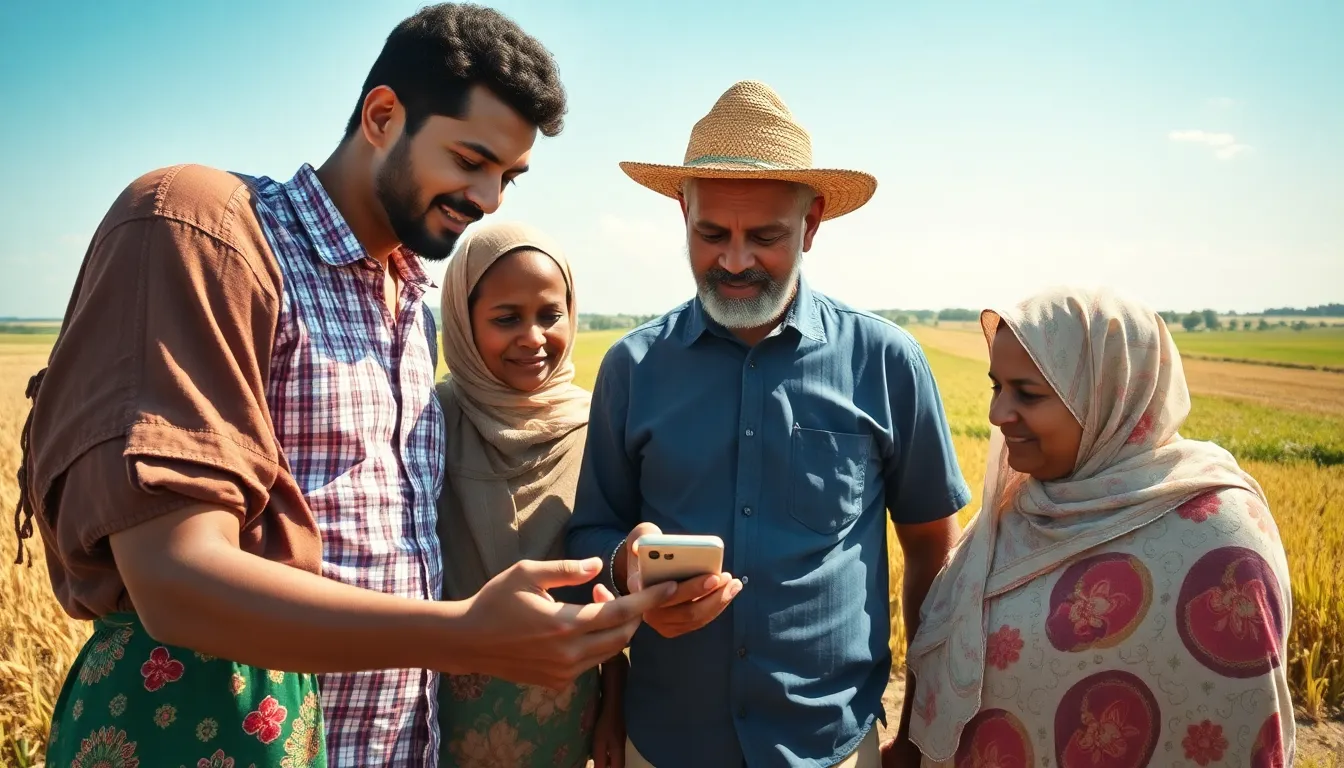
Financial inclusion plays a vital role in rural outreach by ensuring access to crucial financial services. Recent statistics reveal that 64% of rural residents accessed credit through fintech solutions, illustrating the significant strides made to bridge gaps.
Bridging the Financial Gap
Fintech solutions help bridge the financial gap in rural areas. Increased smartphone penetration allows individuals to engage with banking systems more easily. Various fintech applications offer tailored services designed for local needs, focusing on accessibility. These platforms help rural populations manage finances, from secure loans to checking account balances. Convenience drives better financial decision-making, enhancing productivity for many users.
Empowering Rural Communities
Empowerment from financial tools leads to stronger rural communities. Collaboration between fintech companies and local governments cultivates financial literacy. Educational initiatives help residents understand how to utilize fintech solutions effectively. For many small businesses, mobile payment platforms have improved cash flow, with 47% noting positive impacts. With better financial management tools, rural ventures can thrive and contribute to broader economic growth.
Key Players in Fintech Rural Outreach
Fintech rural outreach involves various stakeholders that drive innovation and transform financial accessibility. These players cater specifically to the unique needs of rural communities.
Startups and Innovators
Startups play a crucial role in fintech rural outreach by offering creative solutions tailored to rural financial needs. Many of these companies develop mobile applications that allow users to access banking services remotely, which enhances financial inclusivity. Innovative tools simplify loan applications and promote digital payments, addressing gaps in traditional methods. For instance, startups like Kiva provide microloans to farmers, enabling them to invest in equipment or seeds. This empowers individuals and encourages local economic development by fostering entrepreneurship.
Traditional Financial Institutions
Traditional financial institutions are also vital in enhancing fintech rural outreach. Banks recognize the significance of expanding services beyond urban areas and increasingly partner with fintech firms. These collaborations result in improved offerings, such as simplified account setups and customized financial products designed for rural residents. For example, regions like the Midwest benefit from local banks implementing digital tools that facilitate easier access to credit. With 64% of rural residents reportedly accessing credit through fintech solutions, traditional banks contribute significantly to this growth. Such partnerships create a comprehensive approach to financial inclusion, allowing communities to thrive economically.
Challenges Faced in Rural Outreach
Rural outreach through fintech faces several challenges that hinder its effectiveness. Infrastructure limitations and digital literacy and access are critical issues affecting this initiative.
Infrastructure Limitations
Infrastructure limitations significantly obstruct fintech services in rural areas. Many rural communities lack reliable internet connections, making it difficult for residents to access online financial tools and services. Limited electricity affects device usage, leading to missed opportunities for financial engagement. Transportation barriers further exacerbate the problem, isolating rural residents from financial institutions. Upgrading physical infrastructure will require investment, collaboration, and a long-term commitment from various stakeholders.
Digital Literacy and Access
Digital literacy and access present additional challenges in fintech rural outreach. Many residents lack the knowledge and skills to navigate fintech applications, limiting their ability to utilize available services effectively. Younger populations generally exhibit higher digital proficiency compared to older demographics, creating a technological divide. Educational initiatives must address these gaps, ensuring that all community members can engage with digital financial tools. Increasing educational outreach will foster confidence and enable better financial decision-making among rural populations.
Success Stories and Case Studies
Fintech rural outreach initiatives demonstrate significant success across various communities, showcasing effective strategies and real-world impact.
Effective Models of Outreach
Companies leverage unique outreach models to connect with rural populations. For instance, mobile banking units travel to remote areas, providing on-site services and building trust with locals. Partnerships with local organizations help in identifying specific needs, ensuring tailored solutions reach the right audience. Educational workshops increase awareness and usage of available fintech tools. These collaborative approaches enhance user adoption and facilitate meaningful financial interactions.
Impact on Local Economies
Rural economies thrive due to the transformative effects of fintech solutions. Mobile payment platforms have empowered 47% of small businesses, improving cash flow and operational efficiency. Increased access to credit enables local farmers to invest in better equipment and sustainable practices, leading to higher yields. Enhanced financial literacy initiatives strengthen community resilience, equipping residents with the knowledge to make informed financial decisions. Overall, fintech outreach not only increases financial inclusion but also fosters long-term economic growth in rural areas.
Conclusion
Fintech rural outreach is reshaping the financial landscape for rural communities. By enhancing access to essential financial services it empowers individuals and local businesses alike. The collaboration between fintech firms and traditional banks fosters innovation while addressing unique challenges faced in these areas.
As financial literacy initiatives take root residents become more adept at utilizing digital tools. This not only bridges the technological divide but also cultivates a culture of informed decision-making. The positive impacts on local economies are evident as businesses thrive and farmers invest in sustainable practices.
Ultimately fintech rural outreach is more than just technology; it’s a vital step towards economic resilience and growth in underserved communities. The future looks promising as these initiatives continue to evolve and adapt to the needs of rural populations.

