


In today’s digital landscape, ensuring security is more crucial than ever. With cyber threats evolving rapidly, businesses and individuals alike are turning to security hardware tools to safeguard their assets. These tools offer robust protection against unauthorized access and data breaches, making them essential in any security strategy.
From advanced surveillance systems to cutting-edge biometric devices, the variety of security hardware available can be overwhelming. Understanding these tools and their applications can empower users to make informed decisions that enhance their security posture. Whether it’s for a home, office, or critical infrastructure, investing in the right security hardware tools can make all the difference in maintaining safety and peace of mind.
Overview Of Security Hardware Tools
Security hardware tools encompass a broad spectrum of devices designed to enhance protection against various threats. These tools ensure safety in homes, businesses, and secure environments. Key categories include:
- Surveillance Systems: These systems utilize cameras, monitors, and recording devices. They enable real-time monitoring and provide evidence during incidents.
- Access Control Devices: These tools manage entry points using mechanisms such as key cards, biometric scanners, and keypad entries. They restrict unauthorized access, ensuring only authorized users can enter.
- Alarm Systems: Alarms detect unauthorized intrusions and alert users or security personnel. These systems may include motion sensors, door/window sensors, and audible alerts.
- Fire and Safety Equipment: This category includes smoke detectors, fire alarms, and extinguishers. These devices mitigate risks associated with fire hazards, contributing to overall safety.
- Network Security Tools: Firewalls, intrusion detection systems, and routers fall under this category. They safeguard networks against cyber threats, ensuring secure communication and data management.
Understanding the variety of security hardware options promotes informed decisions, enhancing overall security. By blending multiple solutions, individuals and organizations create robust defense strategies against potential risks.
Importance Of Security Hardware Tools
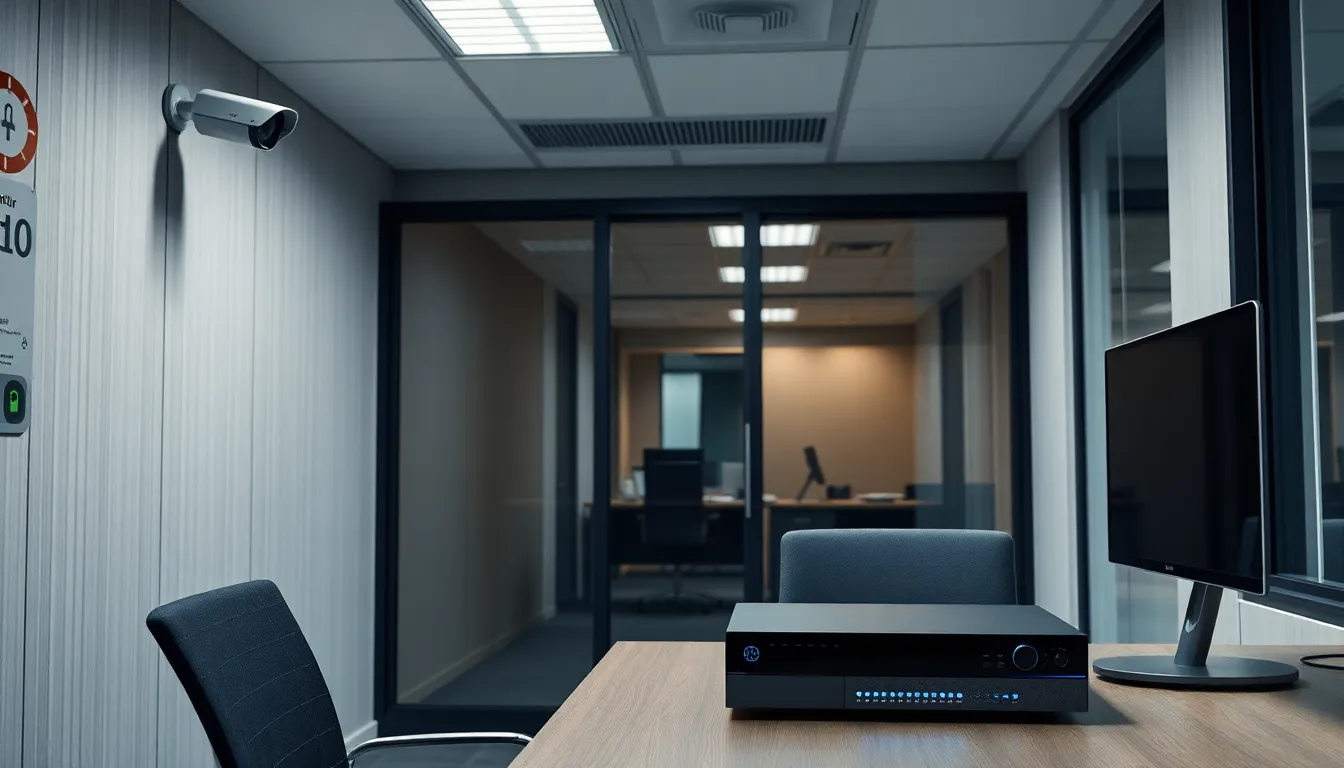
Security hardware tools play a vital role in safeguarding both digital and physical assets, addressing the increasing vulnerability to various threats. Their implementation ensures a comprehensive defense strategy for homes and businesses alike.
Protection Against Cyber Threats
Security hardware tools protect against cyber threats by deploying specialized solutions such as firewalls, intrusion detection systems, and advanced encryption methods. These tools monitor network traffic, identify vulnerabilities, and block unauthorized access attempts. Tools like unified threat management (UTM) devices provide a consolidated approach, combining multiple security functions into a single device. The use of hardware tokens for two-factor authentication further strengthens user verification processes. Ultimately, effective cyber protection reduces the risk of data breaches and enhances overall cybersecurity posture.
Physical Security Enhancements
Physical security enhancements rely on a variety of hardware tools that secure premises against unauthorized access and potential threats. Surveillance systems, including IP cameras and video management software, offer real-time monitoring and recorded evidence. Access control devices such as keycard systems and biometric scanners restrict entry to authorized personnel only. Alarm systems equipped with sensors detect breaches and trigger alerts, ensuring rapid response to incidents. Incorporating fire safety equipment, like smoke detectors and extinguishers, mitigates risks associated with fire hazards. These enhancements collectively create a fortified environment, deterring potential intruders and safeguarding assets effectively.
Types Of Security Hardware Tools
Understanding the various types of security hardware tools is crucial for effective protection against digital and physical threats. Below are key categories of these tools that enhance security measures.
Surveillance Cameras
Surveillance cameras monitor and record activities in specific areas. These devices come in different types, including:
- Dome Cameras: Often used indoors, these cameras have a discreet design that discourages tampering.
- Bullet Cameras: These cameras offer long-range viewing capabilities, ideal for monitoring outdoor areas.
- PTZ Cameras: Pan-Tilt-Zoom cameras provide adjustable angles and zoom options for comprehensive coverage.
These systems enable real-time monitoring and can be integrated with software for alerts and notifications.
Alarm Systems
Alarm systems provide immediate alerts to unauthorized access or emergencies. They typically feature:
- Intrusion Alarms: Detect unauthorized entry via sensors and automate alarm signals.
- Fire Alarms: Monitor smoke and heat levels to provide alerts and potentially trigger fire suppression systems.
- Panic Alarms: Allow users to signal distress or emergency situations quickly.
Alarm systems enhance security by creating a rapid response environment when threats occur.
Access Control Systems
Access control systems regulate who can enter specific areas. They utilize various technologies, including:
- Card Readers: Require access cards for entry, ensuring only authorized individuals gain access.
- Biometric Readers: Use unique identifiers like fingerprints or eye retinas for secure entry.
- Keypad Entry Systems: Require numerical codes for access, offering an affordable option for managing entry points.
These systems provide flexibility and control over who can access sensitive areas.
Locking Mechanisms
Locking mechanisms add physical security to doors, gates, and cabinets. Common types include:
- Deadbolts: Offer enhanced security against forced entry.
- Smart Locks: Enable keyless entry via smartphones, providing convenience and remote access control.
- Cam Locks: Utilize a rotating cam to secure cabinets and lockers, ideal for lower-security needs.
Each locking mechanism plays a vital role in safeguarding assets and enhancing overall security.
Factors To Consider When Choosing Security Hardware Tools
Selecting the right security hardware tools involves several critical factors that enhance user safety and system effectiveness. Understanding these factors ensures informed decisions tailored to individual security needs.
Budget Considerations
Budget dictates the selection of security hardware tools. Assess overall costs before purchasing, as prices vary significantly among products. Determine the price range for surveillance systems, access control devices, and alarm systems. Identify ongoing expenses, such as maintenance and system updates, to avoid unforeseen financial burdens. Balance quality against affordability, ensuring that investments meet security requirements without exceeding budget constraints.
Compatibility With Existing Systems
Compatibility with existing systems affects the effectiveness of new security hardware tools. Ensure chosen tools integrate seamlessly with current technology, such as security cameras or alarm systems. Confirm that products support standard protocols and interfaces for improved performance. Prioritize manufacturers that offer versatile devices, as interoperability enhances overall system resilience. Avoid compatibility issues that can lead to increased costs and operational inefficiencies.
Ease Of Installation And Use
Ease of installation and use plays a pivotal role in the selection process. Opt for devices designed for straightforward setup to minimize installation time and costs. Favor products with user-friendly interfaces that enable quick access to features and functionalities. Train staff or family members to operate systems efficiently. Prioritize tools that offer clear documentation or customer support to assist in troubleshooting and maintenance tasks.
Security hardware tools play a crucial role in today’s ever-evolving landscape of threats. By investing in the right solutions individuals and organizations can significantly bolster their defenses against both digital and physical vulnerabilities.
Understanding the variety of options available empowers users to make informed decisions tailored to their specific needs. Whether it’s advanced surveillance systems or robust access control mechanisms the right tools can create a layered security approach.
As technology continues to advance staying updated on the latest innovations in security hardware is essential. This proactive stance not only protects valuable assets but also fosters a safer environment for everyone involved.

