


In the world of technology, the year 1990 stands out like a neon sign in a black-and-white movie. Picture this: floppy disks larger than your dinner plate and monitors that could double as coffee tables. Back then, hardware wasn’t just a tool; it was a statement. It was the era when gamers battled it out on pixelated screens and tech enthusiasts proudly showcased their bulky machines like trophies.
As we dive into the hardware landscape of 1990, it’s not just a trip down memory lane; it’s a hilarious reminder of how far we’ve come. From the iconic Intel 486 processors to the revolutionary graphics cards, this era laid the groundwork for today’s sleek devices. So buckle up and prepare for a journey filled with nostalgia, chuckles, and perhaps a few cringes as we explore the quirky and groundbreaking hardware that defined a generation.
Overview of Hardware in 1990
The landscape of hardware in 1990 showcased a blend of innovation and nostalgia. Oversized floppy disks, commonly 3.5 inches, held around 1.44 MB of data, a stark contrast to today’s storage solutions. Bulky CRT monitors dominated workspaces, with display sizes ranging from 14 to 21 inches, often contributing to a cluttered desk.
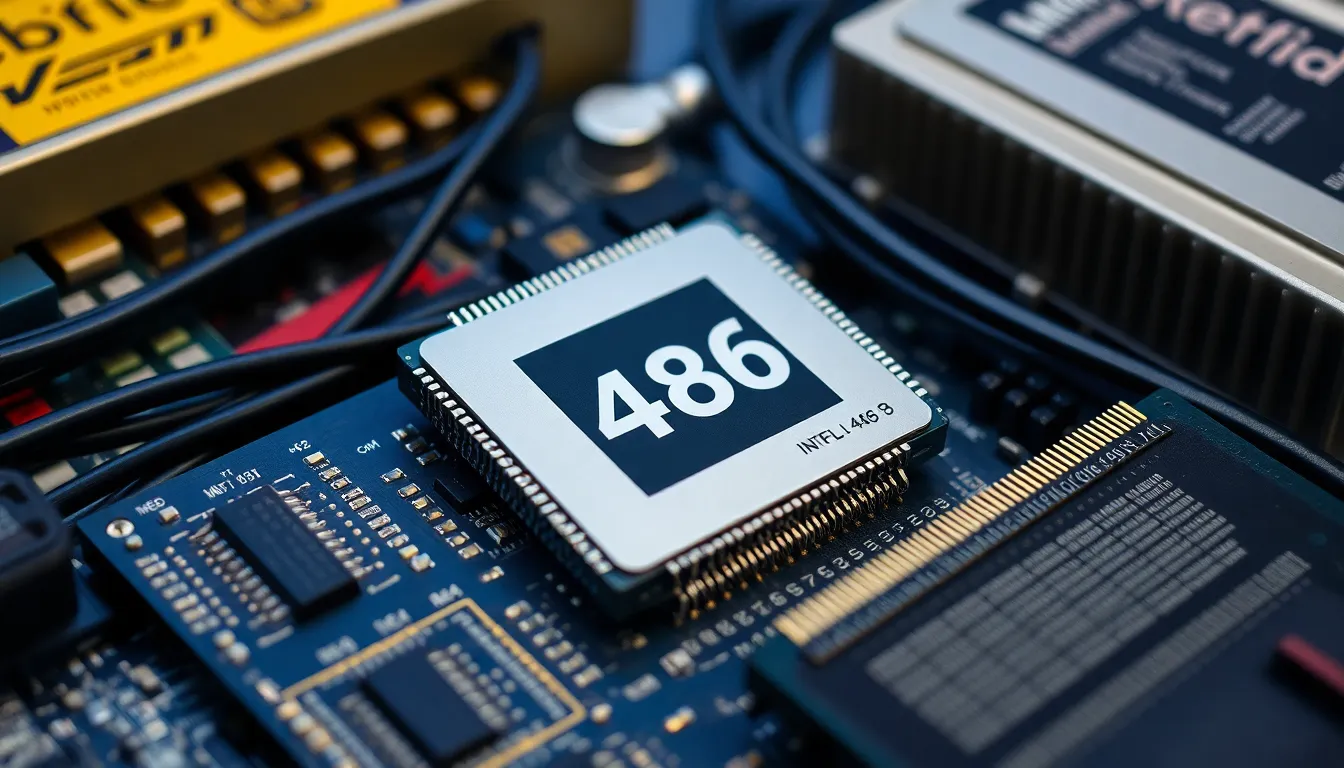
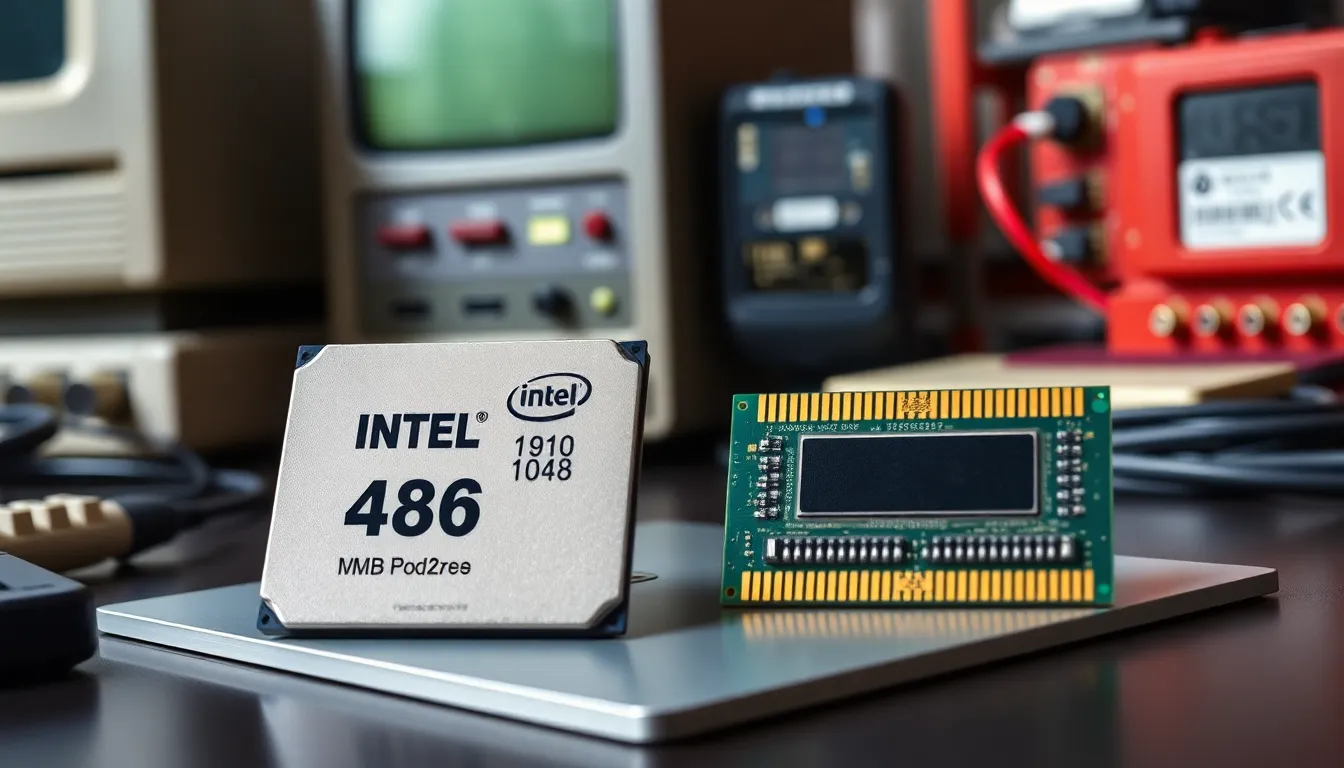
Intel’s 486 processors marked a significant advancement in computing power. Released in 1989, these CPUs offered speeds up to 100 MHz, enabling faster processing for applications. Early graphics cards emerged, introducing 2D graphics acceleration and improving visual experiences in gaming and multimedia.
Sound cards also started gaining traction, enhancing audio quality. The introduction of the Sound Blaster, for instance, provided stereo sound and supported MIDI music playback. Peripheral devices like mice transitioned from ball designs to optical, enhancing navigation accuracy.
Gaming consoles saw their own evolution. The Sega Genesis offered 16-bit graphics and a library of beloved games. Nintendo maintained its popularity with the Super Nintendo Entertainment System (SNES), introducing iconic titles like “Super Mario World.”
Software developments complemented hardware advancements. DOS was the dominant operating system, while Windows 3.0, launched in 1990, provided a graphical user interface that appealed to users. The evolution of software contributed to a more intuitive user experience, bridging the gap between hardware capabilities and consumer needs.
Overall, 1990’s hardware reflects a period of transformation, laying the groundwork for future technological advancements. Each innovation, from processors to peripherals, played a vital role in shaping the digital world.
Key Developments in Computer Hardware
The year 1990 witnessed notable advancements in computer hardware, shaping the future of technology when innovation thrived.
CPUs of 1990
Intel’s 486 processors revolutionized computing. They offered clock speeds reaching 100 MHz, significantly boosting performance. Advanced features, like on-chip caches, improved processing efficiency. AMD and Cyrix also entered the CPU market, fostering competition. These developments laid the foundation for modern computing, highlighting the increasing demand for power and speed among consumers.
RAM and Storage Innovations
Memory architecture changed in 1990 with the widespread adoption of 4 MB and 8 MB RAM modules. Enhanced multitasking capabilities emerged, enabling smoother operation of applications. Regarding storage, the 3.5-inch floppy disk, with a capacity of 1.44 MB, dominated, while early hard drives began to offer capacities of 20 MB to several hundred MB. IDE interfaces simplified connections, allowing users to enhance their systems easily. This combination of improved RAM and storage options defined the capabilities of computers during this transformative period.
The Rise of Gaming Hardware
The landscape of gaming hardware in 1990 saw remarkable advancements that captivated enthusiasts.
Consoles Introduced in 1990
Consoles made a notable impact with the launch of the Sega Mega Drive, known as the Sega Genesis in North America. This 16-bit system showcased vibrant graphics and introduced players to classic titles like “Sonic the Hedgehog.” Another significant console was the TurboGrafx-16, featuring impressive audio capabilities and a unique library of games, including “Bonk’s Adventure.” These consoles allowed for multiplayer experiences and set new standards for gameplay. Both systems contributed to the growth of gaming culture and offered immersive experiences that appealed to a wide audience.
Graphics Cards Evolution
Graphics cards underwent significant development, enhancing visual fidelity and performance. Early cards like the NVIDIA NV1 emerged, introducing 2D and 3D rendering capabilities. The addition of support for Direct3D helped shape the software landscape. Another standout was the Matrox Millennium, which offered advanced graphics features and solid performance for users. The introduction of the Rendition Verite 1000 marked a leap in 3D acceleration technology. Each iteration of graphics cards improved gameplay and wormed its way into the hearts of gamers, laying a foundation for more advanced systems in the future.
Trends in Peripheral Devices
The evolution of peripheral devices in 1990 reflected significant technological shifts. Key innovations enhanced user experiences across various fronts.
Input Devices Advancements
Mice transitioned from ball designs to optical technologies, improving accuracy and responsiveness. Keyboards began to incorporate ergonomic designs, offering comfort for long typing sessions. Joysticks gained popularity, turning gaming into immersive experiences. Trackballs offered a unique navigation alternative, catering to specific user preferences. Each advancement in input devices enhanced functionality, supporting a growing demand for precision during interactive tasks.
Output Devices of the Era
Monitors dominated the landscape with bulky CRT displays, presenting sizes between 14 and 21 inches. Printers evolved from dot matrix models to inkjet technology, producing clearer and more vibrant outputs. Speakers improved in quality, with sound cards like the Sound Blaster delivering enhanced audio experiences. Plotters also gained traction in professional settings, providing precise graphical outputs for design work. Each output device contributed to the overall multimedia experience, showcasing the era’s advances in technology.
The hardware landscape of 1990 was a pivotal moment in technology’s evolution. It laid the groundwork for the devices and experiences that define today’s digital world. From powerful processors to innovative gaming consoles each advancement not only shaped user interactions but also sparked a cultural revolution.
As nostalgia for this era continues to resonate with tech enthusiasts and gamers alike it’s clear that the quirky and groundbreaking hardware of 1990 played an essential role in the journey toward modern computing. Reflecting on this period highlights how far technology has come while reminding us of the unique charm that defined an entire generation.

