


In a world where technology meets tipples, fintech alcohol is shaking things up like a well-mixed cocktail. Imagine a realm where your favorite drinks are just a tap away, all while your wallet stays as happy as a clam. With innovative apps and platforms popping up faster than a bartender can pour a shot, the way people buy, sell, and enjoy alcohol is evolving at lightning speed.
Understanding Fintech Alcohol
Fintech alcohol represents a radical shift in how consumers approach purchasing and enjoying alcoholic beverages. Apps and platforms simplify the buying process, enhancing convenience and personal satisfaction. Users access their favorite drinks with just a few taps, leading to a more engaged and informed drinking experience.
Technology significantly shapes this sector, enabling consumers to explore a broad array of products. Listings feature detailed descriptions and reviews, helping individuals make educated choices. Personalized recommendations based on previous purchases increase the likelihood of discovering new favorites.
Mobile payment options facilitate quick transactions, reducing the time spent at checkout. Customers appreciate the ability to track spending through these platforms, promoting responsible drinking. Budgeting features integrated into apps encourage financial mindfulness while enjoying alcoholic beverages.
The rise of direct-to-consumer models directly impacts traditional retail, offering wider selection and more competitive pricing. Subscription services allow consumers to receive curated selections regularly, adding a layer of anticipation to their drinking experience.
Social sharing features also enhance community engagement, connecting users through collaborative tasting events or reviews. Local distillers and breweries leverage these platforms to reach new customers, emphasizing a more direct relationship with consumers.
Overall, fintech alcohol merges technology with tradition, creating a unique marketplace for both consumers and producers. It transforms not only how drinks are purchased but also how experiences are shared, contributing to a more dynamic and vibrant alcohol culture.
The Intersection of Fintech and Alcohol
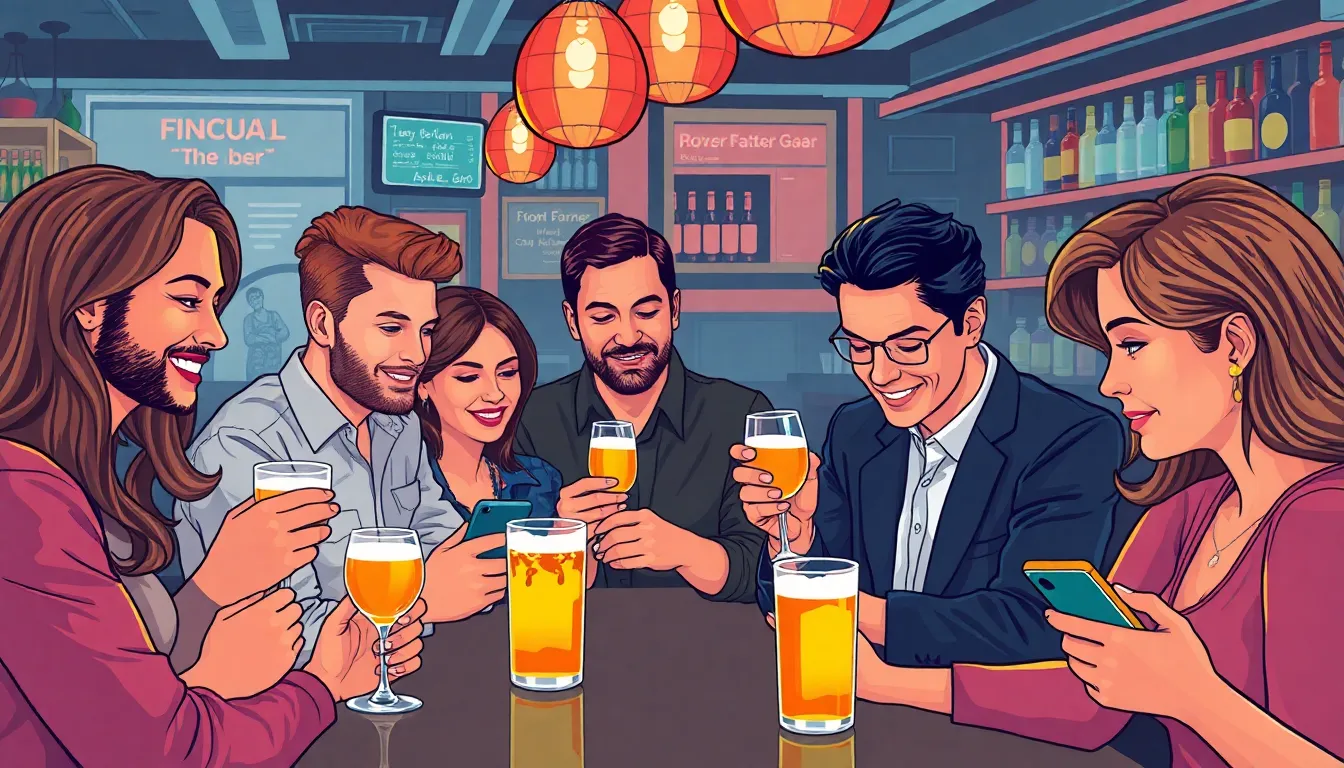
Fintech’s influence on the alcohol industry revolutionizes purchasing experiences. Often, customers enjoy streamlined access to a vast selection of beverages through advanced technology.
How Technology is Transforming the Alcohol Industry
Innovative solutions change how consumers interact with alcohol. Users appreciate convenience delivered by mobile apps. Seamless ordering reduces time spent in stores, allowing for more immediate gratification. Additionally, real-time reviews guide purchase decisions, fostering informed choices. Enhanced mobile payment options expedite transactions while budgeting tools help track spending efficiently. Mindfulness around financial habits emerges, encouraging responsible drinking. As consumers become more engaged, they embrace a more interactive experience with their favorite drinks.
Examples of Fintech Innovations in Alcohol
Numerous fintech innovations reshape the alcohol landscape. Subscription services offer curated selections, keeping excitement alive for consumers. Loyalty programs reward repeat purchases with exclusive benefits, enticing customer retention. Digital platforms host virtual tastings, allowing users to connect and explore flavors together. Mobile apps enable local distillers to showcase unique products, reaching new audiences effortlessly. These advancements create a vibrant community that unites drinkers and fosters memorable experiences.
Financial Trends in the Alcohol Sector
Fintech’s integration into the alcohol sector reshapes consumer engagement and markets. Innovations foster opportunities for investment, enhance e-commerce growth, and improve overall profitability.
Investment Opportunities in Fintech Alcohol
Investors increasingly focus on fintech alcohol startups offering innovative solutions. Many recent platforms have attracted attention due to their unique approaches and streamlined processes. Increased demand for convenience drives funding into mobile apps and delivery services. Promising statistics indicate that alcohol-related technology investments reached $4 billion in 2022, underscoring significant market potential. Furthermore, partnerships between tech companies and established breweries enhance credibility and reach. These synergies create pathways for growth by blending technology with tradition, positioning investors to capitalize on emerging trends.
The Impact of E-commerce on Alcohol Sales
E-commerce has transformed alcohol sales, accounting for over 20% of total sales in 2022. Online platforms now allow consumers to purchase favorite beverages without leaving home. Expedited delivery services ensure products arrive swiftly, satisfying immediate needs. Additionally, e-commerce broadens product availability, inviting regional brands to compete on a national stage. User-friendly interfaces simplify the ordering process, promoting repeat business. Industry reports show that consumer engagement levels rise significantly through personalized marketing approaches. As a result, this shift in buying patterns enhances overall sales while fostering deeper connections with consumers.
Regulatory Challenges and Considerations
Fintech alcohol faces various regulatory challenges that impact market growth and user experience. Compliance with local, state, and federal laws governs the sale and distribution of alcoholic beverages. Each jurisdiction has distinct regulations, creating complexities for fintech companies aiming to expand their reach. Licensing requirements often vary, necessitating substantial efforts from startups and established businesses alike.
Taxation on alcohol remains another critical concern. Different states impose varying tax rates on alcoholic beverages, influencing pricing and consumer behavior. Companies must navigate these complex tax structures to maintain competitive pricing while adhering to legal obligations. Failure to comply with tax regulations can lead to significant penalties that jeopardize business operations.
Consumer data privacy represents an additional challenge. Fintech platforms rely on vast amounts of personal information for tailored recommendations and marketing strategies. Protecting user data is crucial, as breaches can lead to legal repercussions and erode consumer trust. Many states now enforce strict data protection laws, requiring businesses to implement robust security measures.
Advertising restrictions present yet another hurdle. Limitations on marketing alcohol products necessitate creativity from fintech companies to engage customers without violating regulations. The balance between effective promotion and compliance can be challenging, especially in an industry that thrives on innovative marketing techniques.
Understanding these regulatory challenges ensures fintech alcohol companies can navigate the complex landscape effectively. Remaining adaptable to changing laws and market conditions will enhance their ability to succeed in this rapidly evolving sector. Maintaining compliance creates a foundation for sustainable growth, benefiting both companies and consumers in the fintech alcohol space.
Fintech alcohol is reshaping the drinking landscape by merging technology with consumer needs. The convenience of mobile apps and personalized recommendations enhances the purchasing experience while promoting responsible drinking habits.
As the sector continues to grow it offers exciting investment opportunities and fosters deeper connections between consumers and producers. Navigating regulatory challenges will be crucial for companies aiming to thrive in this dynamic market.
Ultimately fintech alcohol not only transforms how drinks are bought and enjoyed but also cultivates a vibrant culture around alcohol consumption. The future looks promising as innovation drives both engagement and satisfaction in this evolving industry.

