


Dynamic microphones are a staple in the audio world, renowned for their durability and versatility. Whether it’s for live performances or studio recordings, these microphones deliver impressive sound quality without the need for external power. Their robust design makes them ideal for capturing loud sound sources, from booming vocals to powerful instruments.
Understanding how dynamic microphones work can enhance any audio setup. With a simple yet effective mechanism, they convert sound waves into electrical signals, making them a go-to choice for musicians and sound engineers alike. As technology advances, the applications and features of dynamic microphones continue to evolve, solidifying their place in the hearts of audio professionals and enthusiasts.
Overview Of Dynamic Microphones
Dynamic microphones excel in durability and versatility, making them ideal for live performances and studio recordings. They capture sound effectively, handling high sound pressure levels and loud sources, such as drums and guitar amplifiers, without distortion.
Dynamic microphones operate through a straightforward mechanism. A diaphragm moves in response to sound waves, creating electrical signals through electromagnetic induction. This design contributes to their reliability and longevity, even in demanding environments.
Recent advancements enhance the functionality and performance of dynamic microphones. Manufacturers incorporate improved materials and innovations that optimize sound quality, increase frequency response, and reduce handling noise. These enhancements boost their appeal to audio professionals and hobbyists alike.
Dynamic microphones find applications across various settings. They work well for vocals in live concerts, broadcasting, and studio recordings, delivering clear sound while minimizing background noise. Their robust construction allows them to withstand the rigors of touring and frequent use, reinforcing their status as a go-to option for audio captures.
Types Of Dynamic Microphones
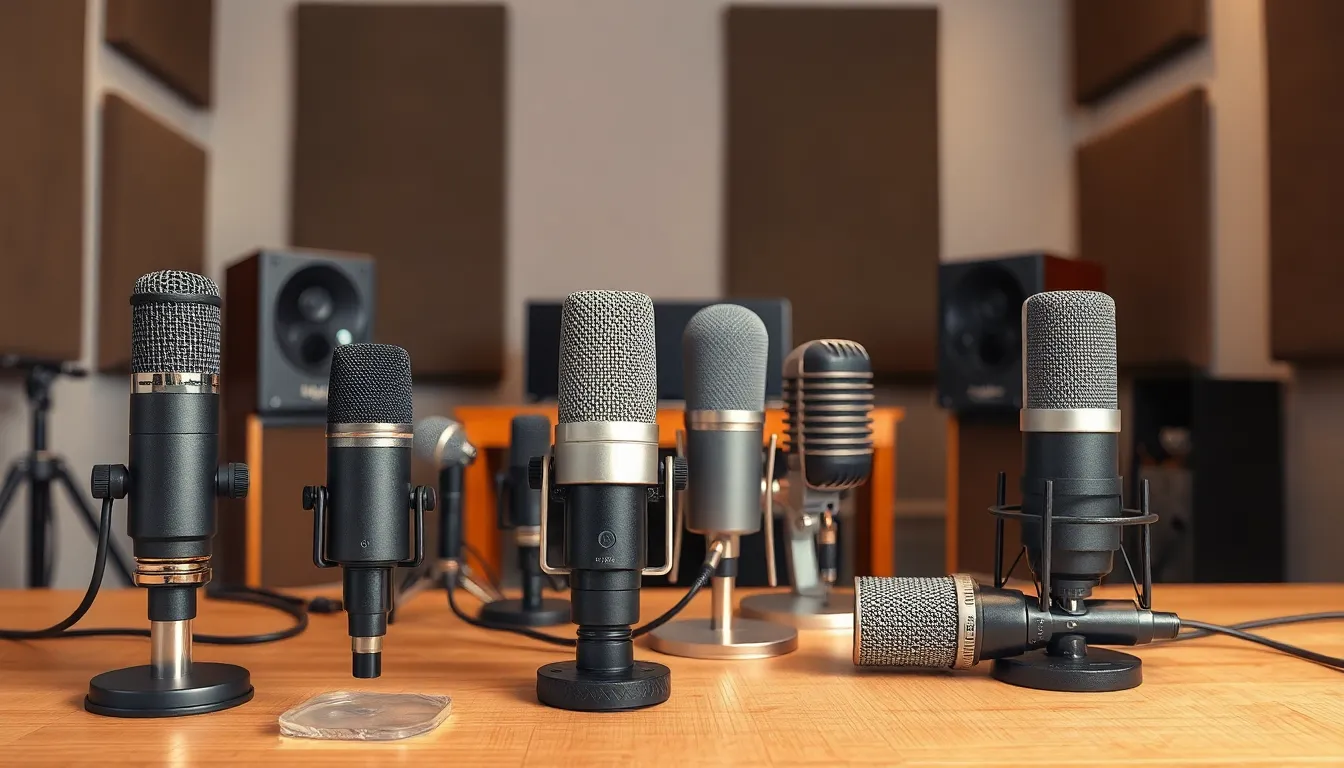
Dynamic microphones come in various types, with each designed to meet specific audio requirements. Two common types include moving coil microphones and ribbon microphones.
Moving Coil Microphones
Moving coil microphones represent the most prevalent type of dynamic microphone. They feature a diaphragm attached to a coil, which moves within a magnetic field when sound waves hit it. This movement generates an electrical current that translates sound into a signal. Moving coil microphones excel in live sound applications due to their rugged construction and ability to handle high sound pressure levels. Their frequency response typically ranges from 40 Hz to 15 kHz, making them versatile for vocals and instruments. Some popular models in this category include the Shure SM58 and the Sennheiser e835.
Ribbon Microphones
Ribbon microphones use a thin metal ribbon suspended between two magnets. When sound waves hit the ribbon, it vibrates, generating an electrical signal. Ribbon microphones are known for their smooth frequency response and natural sound reproduction, particularly for mid and high-frequency ranges. They excel in capturing vocals and acoustic instruments, providing warmth and richness to the audio. While they are more delicate compared to moving coil microphones, advancements in technology have improved their durability. Popular examples include the Royer R-121 and the AEA R84.
Advantages Of Dynamic Microphones
Dynamic microphones offer several advantages that make them a preferred choice for many audio professionals, particularly in live and studio settings. Their robust design and impressive sound capabilities enhance various applications.
Durability
Dynamic microphones are renowned for their durability. Constructed with a sturdy metal casing, they withstand the rigors of frequent use and challenging environments, making them ideal for touring musicians and sound engineers. Their internal mechanisms, including a diaphragm and coil, are designed to endure high sound pressure levels, effectively resisting damage from loud sound sources. With their resilience, dynamic microphones can endure drops and rough handling, ensuring longevity and consistent performance across extended periods.
Sound Quality
Sound quality stands out as a significant advantage of dynamic microphones. They excel in capturing loud sound sources without distortion, delivering clear and defined audio outputs. With a frequency response ranging from 40 Hz to 15 kHz for moving coil microphones, they effectively reproduce vocals and instrument sounds, maintaining clarity even in noisy environments. Dynamic microphones minimize background noise, prioritizing the intended sound source and ensuring optimal sound capture during live performances and recordings. Recent technological advancements further enhance their audio fidelity, providing richer sound quality that appeals to both audio professionals and enthusiasts.
Disadvantages Of Dynamic Microphones
Dynamic microphones present certain disadvantages that can impact their overall performance in specific scenarios. Understanding these limitations helps users make informed choices.
Limited Frequency Response
Dynamic microphones often feature a limited frequency response when compared to condenser microphones. Their typical response ranges from 40 Hz to 15 kHz, which may not capture the full breadth of sound, particularly for high frequencies. This limitation affects clarity and detail in vocal performances and intricate instruments, such as violins or flutes. For applications requiring broad frequency representation, such as studio recordings of orchestras, dynamic microphones may fall short of delivering an accurate audio reproduction.
Weight Considerations
Weight considerations play a role in the usability of dynamic microphones during live performances. While dynamic microphones are generally rugged, some models can weigh more than their condenser counterparts. This added weight may become a concern for vocalists or performers who need to hold the microphone for extended periods. Heavier microphones can lead to fatigue, impacting performance quality. Selecting a lighter dynamic microphone model can alleviate this issue but may not always offer the same durability features.
Best Uses For Dynamic Microphones
Dynamic microphones excel in various settings due to their durability and versatility. Their robust design makes them ideal for both live performances and studio recording applications.
Live Performances
Dynamic microphones serve as a primary choice for live performances. They capture powerful sound sources effectively, handling high sound pressure levels without distortion. Their built-in shock mounts reduce handling noise, ensuring clear vocals even in loud environments. Popular models like the Shure SM58 and Sennheiser e835 are often favored by performers due to their reliability and consistent audio quality. Their rugged construction allows them to endure the challenges of touring, making them suitable for a wide range of musical genres, from rock bands to solo artists.
Studio Recording
Dynamic microphones find significant application in studio recording settings. They offer a natural sound reproduction that enhances vocal clarity and instrument detail. While they may have a restricted frequency response compared to condenser microphones, their ability to reject background noise makes them advantageous for tracking in less-than-ideal acoustic conditions. The durability of dynamic microphones allows them to maintain performance over extended recording sessions, accommodating demanding studio environments. Models like the Shure SM57 are widely used for instrument recording, capturing guitar amplifiers, drums, and brass with impressive fidelity.
Dynamic microphones stand out for their resilience and versatility in diverse audio environments. Their ability to handle high sound pressure levels without distortion makes them a favorite among musicians and audio professionals. With recent technological advancements enhancing their performance and sound quality, dynamic microphones continue to evolve, catering to both live and studio applications.
While they may have limitations in frequency response compared to condenser microphones, their robust design and reliability make them indispensable tools in the audio industry. Whether for live concerts or studio recordings, dynamic microphones consistently deliver clear and powerful sound, reinforcing their status as a reliable choice for capturing audio in various settings.

