


Imagine opening your kitchen cabinet and feeling like a contestant on a game show, trying to figure out where to grab the handle. Proper cabinet hardware placement isn’t just about aesthetics; it’s the secret sauce that transforms your space from chaotic to classy. When done right, it makes every opening a breeze and adds that touch of finesse that leaves guests wondering if you hired a designer.
Importance Of Correct Cabinet Hardware Placement
Proper cabinet hardware placement plays a crucial role in kitchen design. Functionality remains a top priority; strategically placed handles and knobs make it easier to open and close cabinets. Accessibility enhances user experience while cooking or cleaning.
Visual consistency contributes to the overall aesthetic appeal of the kitchen. Aligning hardware with cabinet styles ensures a seamless look, creating a harmonious environment. A professional appearance reflects attention to detail and thoughtful planning.
Ergonomics significantly impact ease of use. For instance, placing pulls at an appropriate height accommodates users of varying heights, reducing strain. The correct positioning also minimizes the risk of bumping into adjacent cabinets or doors.
Safety concerns arise when hardware placement is neglected. Misaligned handles can lead to accidents in the kitchen, such as catching clothing or knocking over objects. Correct placement enhances safety by providing easy access without obstruction.
In addition, hardware should be installed consistently across all cabinets. This uniformity reinforces the kitchen’s design theme, creating a polished, cohesive look. Refining hardware choices according to cabinet sizes maximizes both style and functionality.
Ultimately, investing time in correct cabinet hardware placement yields long-term benefits. Thoughtful positioning enriches the kitchen experience, improves accessibility, and supports a visually appealing environment. Prioritizing this aspect of design can transform an average kitchen into a standout space, exemplifying style and functionality.
Types Of Cabinet Hardware
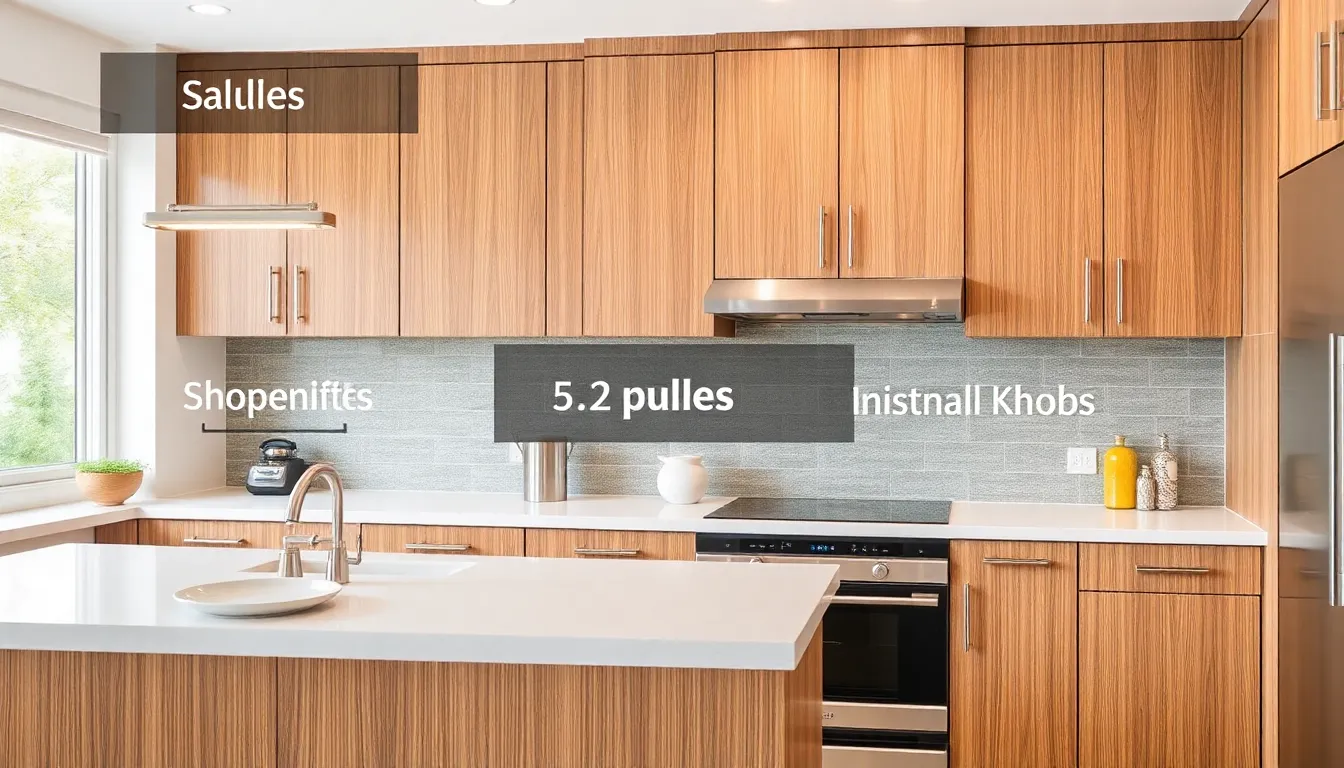
Cabinet hardware varies in design and function, influencing both aesthetics and usability in kitchens. Understanding the differences helps in making informed choices.
Handles
Handles often provide a sleek look and are easy to grip. They come in various lengths, suitable for different cabinet sizes. Installing handles at the right height ensures accessibility for everyone, accommodating users of various heights. Common styles include straight, curved, and decorative designs, each adding unique character. Positioning handles horizontally on doors enhances functionality while maintaining style. Consider materials like metal or ceramic for durability and visual appeal.
Pulls
Pulls offer a functional and modern alternative to traditional handles. They typically feature a wider grip area, allowing for a comfortable pulling motion. Selecting pulls that match the overall kitchen theme promotes design consistency. Mounting pulls at a standard height of 36 to 48 inches above the floor suits most cabinetry. Their length may vary, depending on cabinet dimensions and user preferences. Appropriate alignment of pulls across cabinets creates a cohesive look, enhancing the kitchen’s visual flow.
Knobs
Knobs serve as a compact and minimalist option for cabinet hardware. These small fixtures fit well in tight spaces, making them ideal for drawers with limited clearance. Choosing knobs in various shapes and finishes allows for personalization while still maintaining harmony. Positioning knobs on the edge of cabinet doors makes opening easy and intuitive. Standard placement suggests a height of 2 to 3 inches from the top corner of a door. The simplicity of knobs often complements modern and traditional designs, contributing to a balanced aesthetic.
Guidelines For Correct Cabinet Hardware Placement
Proper cabinet hardware placement significantly impacts kitchen usability and aesthetics. Following specific guidelines ensures easy access and a cohesive look.
Measuring Heights
Determine the ideal height for cabinet hardware based on user needs. Standard recommendations suggest positioning handles and pulls 36 to 48 inches above the floor. Adjustments may suit shorter or taller users better. For upper cabinets, placing hardware between 2 and 2.5 inches from the bottom edge creates a comfortable grip. Testing different heights before securing hardware helps identify the most ergonomic option. Prioritizing a height that accommodates all users fosters a more enjoyable kitchen experience.
Positioning On Doors And Drawers
Aligning hardware with the center of cabinet doors and drawers enhances functionality and visual appeal. For doors, placing handles 2.5 to 3 inches from the edge maintains a consistent look. Position knobs centrally on the door to ensure ease of use. Drawers benefit from a horizontal installation of pulls, which allows for easier access. Consider installing hardware consistently across similar cabinet types to reinforce a unified design theme. Strategically placing pulls and knobs creates a seamless flow within the kitchen while improving user interaction.
Common Mistakes To Avoid
Many homeowners overlook the importance of consistent hardware placement. Misaligning cabinet handles disrupts the overall aesthetic and annoys users. Installing knobs at varying heights creates a chaotic look and can lead to frustration when opening cabinets.
Not assessing user height before installation frequently leads to discomfort. Cabinet hardware should accommodate everyone, especially in a shared kitchen environment. Placing handles too high or too low may force users to stretch or bend unnecessarily.
Neglecting to align hardware with the cabinet design often results in an unbalanced visual effect. Knobs positioned too far from the edge detract from the clean lines intended in modern designs. Pulls installed off-center can look awkward and might create a jarring appearance.
Ignoring the type of cabinet can also cause problems. Standardizing hardware placement across different cabinet styles maintains a cohesive look. A diverse range of cabinet sizes means standard measurements may not work for all. Thus, adjusting placements based on cabinet dimensions enhances both functionality and beauty.
Failing to measure distances properly often becomes a source of frustration. Keeping hardware 2.5 to 3 inches from the edge ensures easy access and maintains a polished appearance. Distances from the bottom edge of upper cabinets should remain at 2 to 2.5 inches for optimal usability.
Overlooking visual flow contributes to a disorganized kitchen feel. Aligning handles and knobs with cabinet doors promotes harmony. Prioritizing these guidelines strengthens kitchen design and maximizes user experience.
Correct cabinet hardware placement is essential for creating a kitchen that’s both functional and visually appealing. By following the guidelines outlined in the article, homeowners can ensure that their hardware enhances usability while maintaining a cohesive design.
Taking the time to measure and align hardware correctly not only improves accessibility but also contributes to a polished look. Avoiding common mistakes and considering user height can lead to a safer and more enjoyable cooking experience.
Ultimately, thoughtful hardware placement transforms a kitchen into a stylish and practical space that reflects attention to detail and enhances everyday life.

