
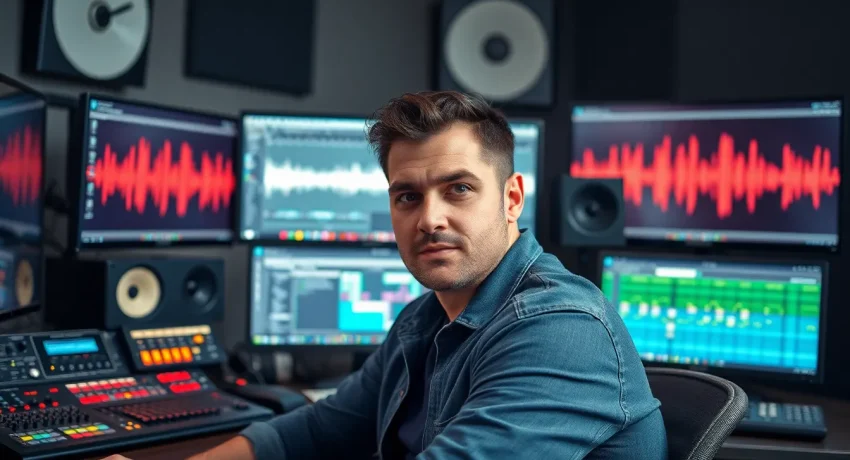

The world of music production is undergoing a remarkable transformation, thanks to artificial intelligence. As technology advances, AI tools are becoming essential for musicians and producers, streamlining the creative process and pushing the boundaries of sound. From generating unique melodies to mastering tracks, AI is reshaping how music is created and consumed.
This innovation isn’t just for tech-savvy producers; it’s accessible to anyone looking to enhance their musical projects. With AI’s ability to analyze vast amounts of data, it offers insights that can inspire new ideas and elevate compositions. As artists embrace these cutting-edge tools, the future of music production looks brighter than ever, blending human creativity with machine intelligence in exciting ways.
Overview of AI in Music Production
AI technology significantly reshapes music production by streamlining various processes. It encompasses diverse applications such as melody generation, audio mastering, and sound design. These applications enhance creativity and efficiency, allowing artists to explore innovative sounds.
AI algorithms analyze vast datasets consisting of musical compositions. By studying patterns, AI identifies successful elements and provides insights to enhance artistic decisions. Musicians leverage these tools for inspiration, leading to unique and engaging tracks.
Numerous AI-driven platforms facilitate music production. Tools like Amper Music, AIVA, and LANDR provide user-friendly interfaces, enabling musicians to create professional-quality music without advanced technical skills. As a result, the barrier to entry lowers, fostering a more inclusive musical landscape.
The ability of AI to automate repetitive tasks frees up time for artists to focus on the creative aspects of their work. This collaboration between human musicians and AI technologies holds the potential to unlock new creative avenues within the industry.
The future of music production continues to evolve, driven by advancements in AI. Integration of machine learning techniques enhances the potential for personalized music experiences, adapting to individual listener preferences. As AI tools proliferate, their influence on music production will grow, paving the way for innovative collaborations and groundbreaking compositions.
Benefits of AI in Music Production
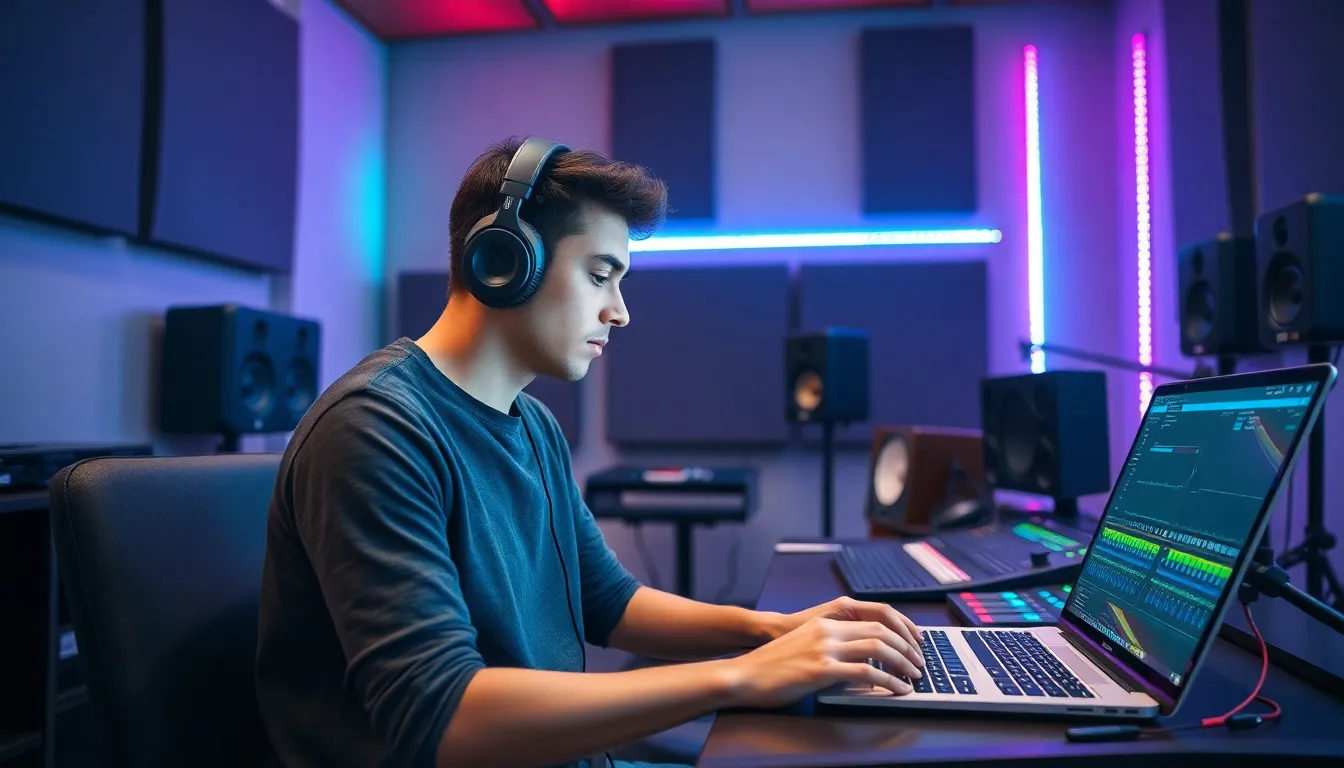
AI transforms music production, offering numerous advantages that enhance creativity and efficiency. These benefits empower musicians and producers to elevate their work and streamline their processes.
Increased Efficiency
AI tools significantly accelerate music production workflows. Artists can automate tasks such as mixing, mastering, and sound design, reducing time spent on repetitive steps. AI analyzes vast amounts of data to suggest optimal arrangements and audio settings quickly. For example, LANDR uses algorithms to provide instant mastering services, allowing musicians to release tracks faster without sacrificing quality. This efficiency enables producers to focus on the creative aspects, ultimately enhancing productivity in the studio.
Enhanced Creativity
AI serves as a valuable tool for sparking creativity in music composition. Through its ability to generate unique melodies and harmonies, AI expands the creative palette for musicians. Platforms like AIVA allow users to experiment with various musical styles, resulting in innovative compositions. By offering insights derived from analyzing successful tracks, AI encourages musicians to explore uncharted territories. This collaboration between human artists and AI systems leads to the development of distinct sounds, ensuring a diverse range of musical expressions.
Popular AI Tools for Music Production
AI tools streamline music production, enhancing both composition and technical processes. Several industry-leading platforms exemplify effective AI integration in music.
Music Composition Tools
- Amper Music
Amper Music enables users to create custom soundtracks using AI algorithms. Musicians can select desired mood, style, and length, allowing for personalized compositions.
- AIVA
AIVA focuses on generating original compositions for various genres. It analyzes existing music pieces to replicate stylistic elements, offering composers a valuable resource for inspiration.
- OpenAI’s MuseNet
MuseNet utilizes deep learning to compose music across genres. It can generate four-minute musical pieces with up to ten different instruments, catering to diverse musical tastes.
- Soundraw
Soundraw combines AI-generated melodies with user-defined themes and emotions. This tool allows for real-time customization, ensuring unique compositions that fit specific project needs.
Mixing and Mastering Tools
- LANDR
LANDR automates mastering processes, providing instant audio quality enhancement. Users upload tracks and receive professionally mastered versions within minutes, simplifying the mastering workflow.
- iZotope Ozone
iZotope Ozone offers AI-driven features for mixing and mastering. Its intelligent AI adjustments enhance audio quality while user-friendly presets cater to both novice and expert producers.
- eMastered
eMastered focuses on mastering tracks with an emphasis on accessibility. Users can upload any song and receive feedback alongside a mastered version, promoting rapid improvements.
- Auphonic
Auphonic streamlines audio post-production, balancing levels and reducing noise automatically. This tool enhances spoken-word and musical content, ensuring consistent audio quality.
Challenges and Limitations
AI’s integration in music production brings various challenges and limitations that warrant consideration. Understanding these factors helps in navigating the evolving landscape of music technology.
Ethical Concerns
Ethical concerns arise from using AI in music production. Questions about copyright ownership emerge as AI generates original compositions. Determining whether the artist or the AI tool claims ownership poses legal complexities. Moreover, the potential for AI to mimic existing artists raises concerns about artistic originality and authenticity. The reliance on AI may lead to undervaluing human creativity, risking the uniqueness found in musical expression.
Technical Limitations
Technical limitations also impact AI’s effectiveness in music production. Current algorithms may struggle with creative nuances and contextual understanding, leading to generic outputs that lack emotional depth. AI often requires extensive training data, which may not reflect diverse musical styles or cultural influences, limiting creativity. Additionally, integration issues between AI tools and traditional software can hinder workflows, creating friction in a producer’s creative process. The unpredictability of AI-generated results may discourage artists from fully embracing these technologies, as they seek reliability and consistency in production quality.
Future of AI in Music Production
The future of AI in music production showcases significant advancements, promising to revolutionize the industry further. AI’s ability to generate imaginative melodies, assist in mixing, and create tailored soundscapes reflects a wave of innovation in musical creativity.
AI tools are expected to evolve, offering more sophisticated features for personalized music experiences. As algorithms improve, they will analyze listener data more effectively, delivering customized recommendations based on individual taste and mood. This personalization enhances user engagement, ensuring that artists can connect more deeply with their audience.
AI’s role in collaboration is growing. Musicians might collaborate with AI as co-creators, gaining insights into instinctual decisions and sparking new ideas. AI’s predictive capabilities can suggest chord progressions and lyrical themes, facilitating seamless collaboration between human creativity and machine efficiency.
Research into AI applications for real-time music production is advancing. Live performances enhanced by AI technology, like live remixing and real-time audience engagement, can reshape concert experiences, blurring the lines between performer and listener. This interactive approach may redefine how audiences perceive and interact with music.
Numerous ongoing projects aim to harness AI’s potential for inclusive music creation. Initiatives focused on individuals with varying musical backgrounds will promote diversity, unlocking creativity in those who may not have had access to traditional tools. By democratizing the music-making process, AI fosters a richer and more diverse musical landscape.
While AI’s future in music production appears promising, ethical considerations will remain critical. As artists embrace AI-generated compositions, discussions around copyright ownership and originality need to take center stage. Establishing guidelines that respect both human creators and AI’s contributions will be crucial for fostering innovation while maintaining artistic integrity.
The convergence of human creativity and AI intelligence sets the stage for a transformative era in music production, offering endless possibilities for artists and listeners alike.
The rise of AI in music production signifies a new chapter in the creative landscape. As artists embrace these technologies, they’re discovering innovative ways to enhance their craft while maintaining artistic integrity. AI’s ability to streamline processes and inspire creativity empowers musicians to focus on what truly matters: their unique vision.
While challenges such as ethical concerns and technical limitations remain, the potential for AI to transform the music industry is undeniable. By fostering collaboration between human creativity and machine intelligence, the future holds exciting possibilities. As the industry adapts, it’s clear that AI will play a crucial role in shaping the sound of tomorrow’s music.

